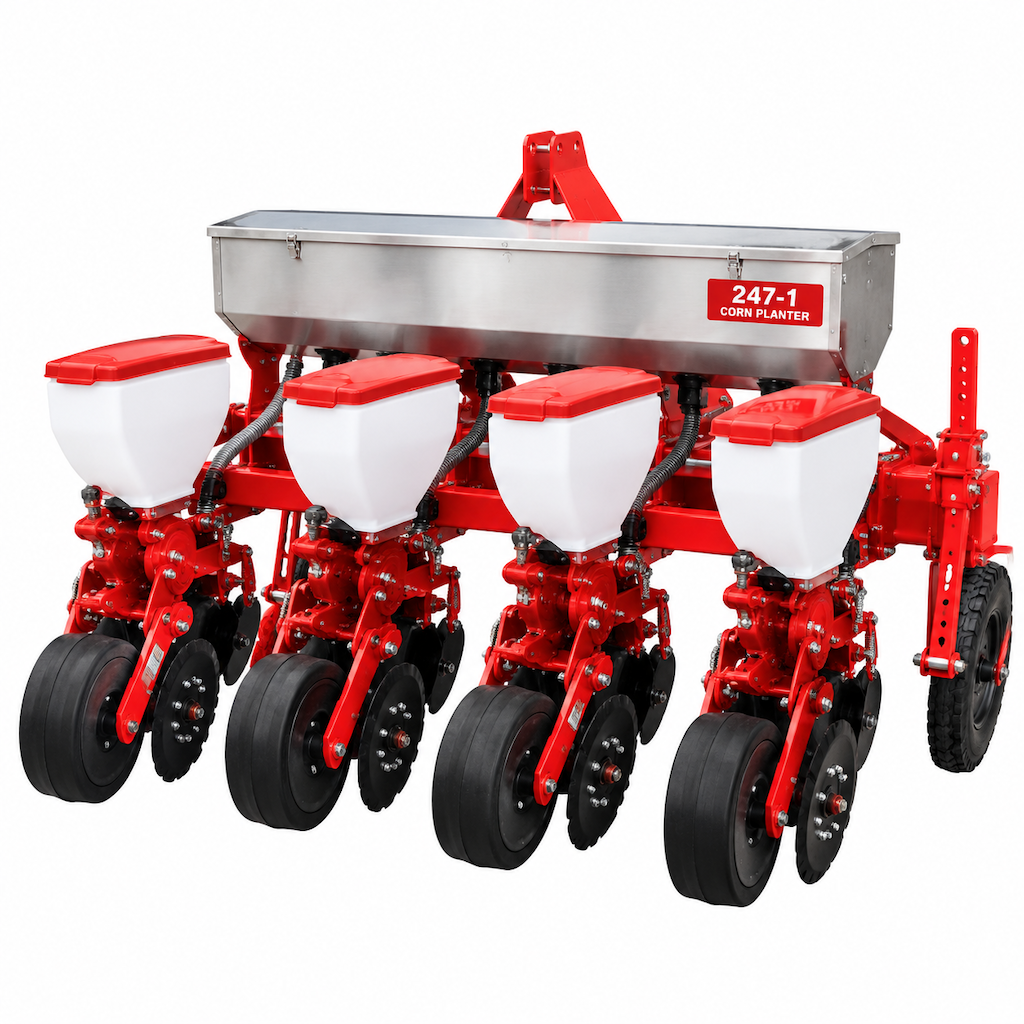
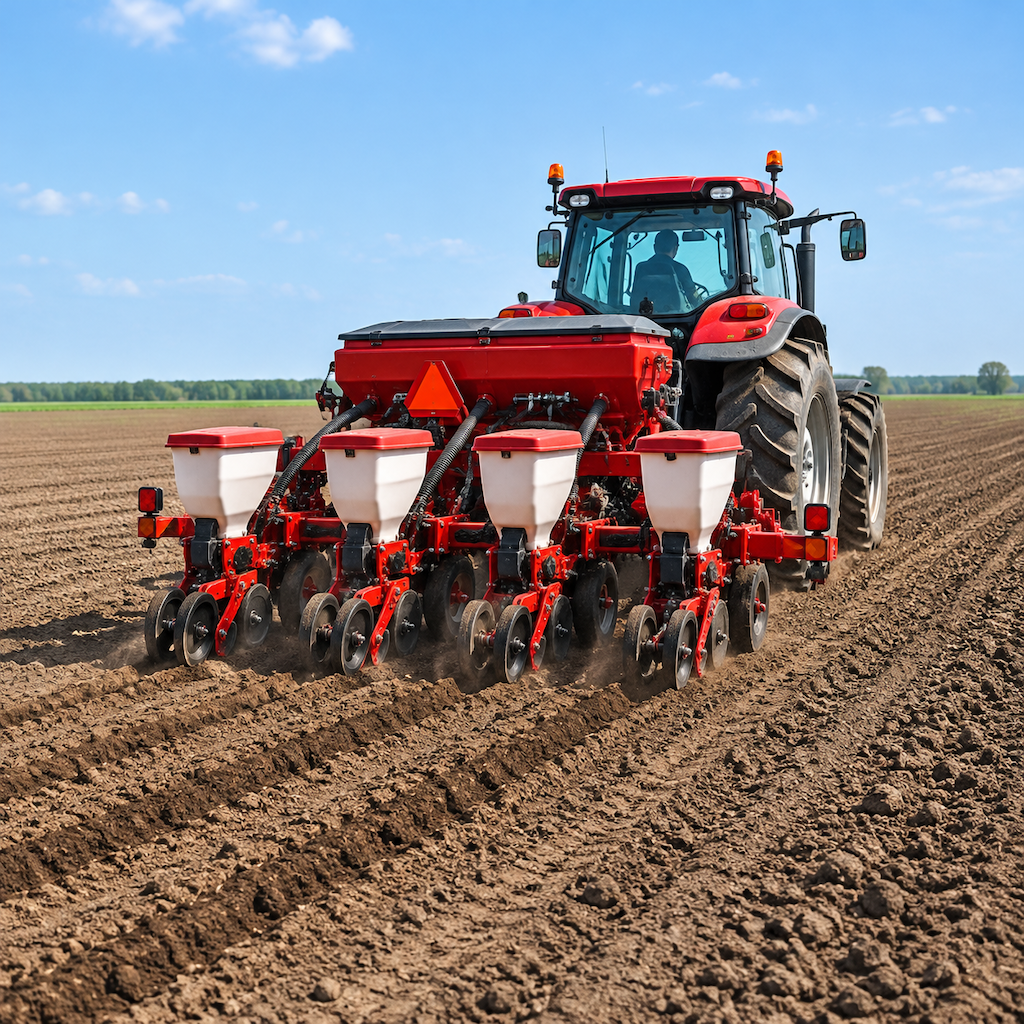
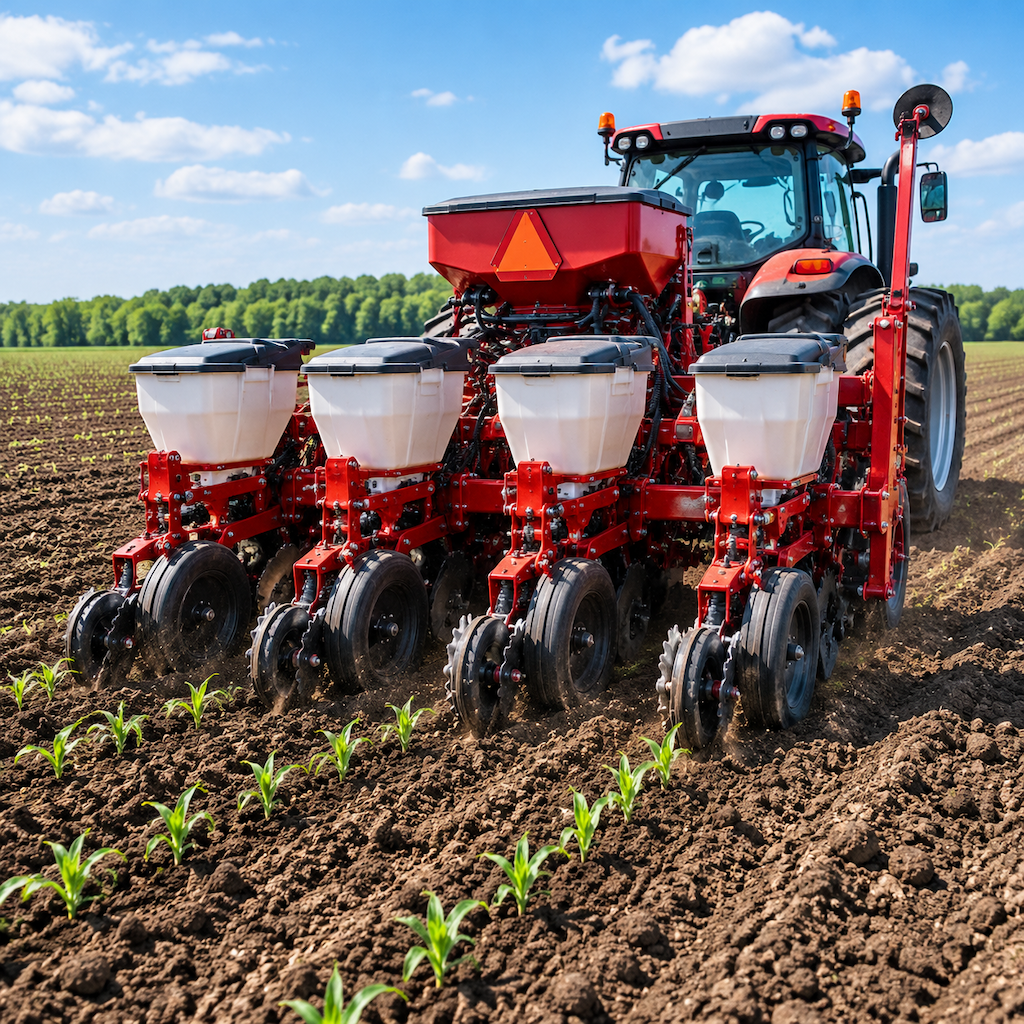
Reliable Corn Planters for Bulk Purchase

application/planter-for-corn, application/planter-for-corn, 
Inquiry
Inquiry

planter for corn

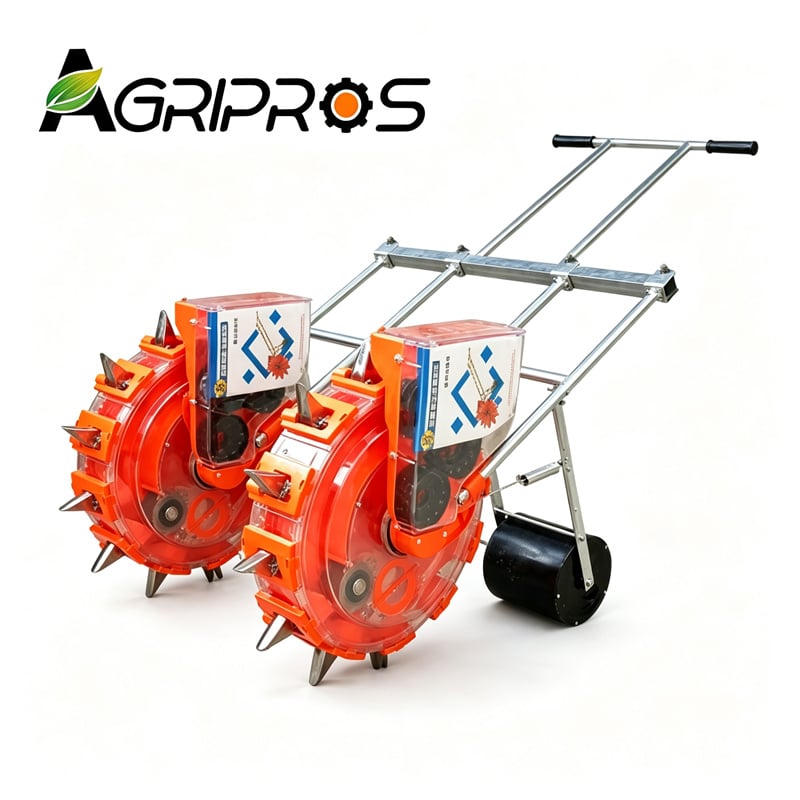
When it comes to agricultural efficiency, a reliable planter for corn is essential for maximizing yields and optimizing planting operations. Purchasing managers, distributors, and agricultural engineers often face challenges in selecting the right equipment that meets their operational needs, budget constraints, and quality expectations. This article provides insights into sourcing, evaluating, and resolving common issues related to corn planters, helping you make informed purchasing decisions.

Comparing Specifications of Corn Planters for Wholesale Purchases

Comparing Specifications of Corn Planters for Wholesale Purchases

When comparing corn planters for wholesale purchases, several specifications are critical to consider to ensure compatibility with your farming operations. Key specifications include planting width, row spacing, and the type of seeding mechanism. For instance, some planters utilize vacuum systems, while others may use mechanical systems, each impacting seed placement accuracy and operational efficiency.

Pay attention to the build materials of the planters as well. Durable materials such as high-strength steel or corrosion-resistant alloys can enhance the longevity of the equipment, particularly in harsh farming conditions. Additionally, the weight and structure of the planter can affect its performance; lighter models may be easier to maneuver but could sacrifice stability during operation.

It is also crucial to assess the planter's capacity and the technological features it may offer, such as GPS integration or automated seed depth control. These features can significantly enhance planting efficiency and precision, making them worthwhile considerations in your decision-making process.

How to Evaluate Quality in Corn Planters for Your Projects

How to Evaluate Quality in Corn Planters for Your Projects

Quality evaluation of corn planters should encompass both material integrity and manufacturing processes. Begin by reviewing the manufacturing capabilities of the supplier, including the types of production equipment they utilize. Advanced machinery can lead to higher precision in parts fabrication, contributing to the overall quality of the planter.

Quality control processes are equally important. Inquire about the supplier's inspection protocols to ensure that each planter meets specific performance standards before shipment. Look for suppliers who implement rigorous testing procedures, such as field tests under various conditions, to validate the planter's reliability.

Additionally, consider the feedback from other users regarding the planter's performance in real-world applications. Engaging with existing customers can help you gain insights into any issues encountered and the overall satisfaction level with the product. Prioritize suppliers that offer warranties or guarantees, as these reflect confidence in their product's quality.

Common Problems with Corn Planters and Effective Solutions

Common Problems with Corn Planters and Effective Solutions

Corn planters can encounter several common issues that may hinder their efficiency. One frequent problem is inconsistent seed depth, which can lead to uneven plant growth and reduced yields. To address this, ensure that the planter is equipped with adjustable depth controls and regularly check the calibration before planting seasons.

Another common issue is seed blockage in the distribution system, often caused by moisture or debris. Regular maintenance, including cleaning and inspection of the seed delivery components, can help mitigate this problem. Consider planters with easy access to these components for quick maintenance.

Moreover, improper alignment of the planter can cause uneven rows. Utilizing planters with built-in GPS guidance can help maintain accurate alignment and spacing, reducing the risk of overlaps or gaps in planting. Establishing a routine maintenance schedule is essential to keep the equipment in optimal condition and prevent these common issues from affecting productivity.

Applications of Corn Planters in Various Agricultural Scenarios

Corn planters are versatile tools that can be adapted for a variety of agricultural scenarios. In large-scale commercial farming, high-capacity planters are essential for covering vast areas efficiently. Features such as multi-row planting and high-speed capabilities allow for increased productivity during peak planting seasons.

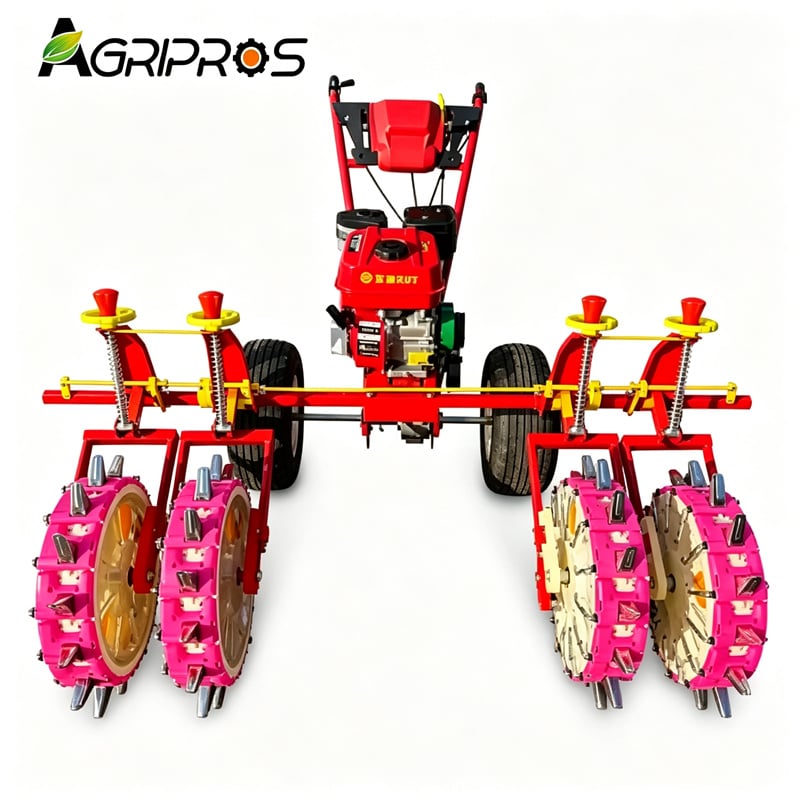
In contrast, smaller farms or specialty crop producers may benefit from compact planters that can navigate tighter spaces while still delivering precision planting. These planters may offer customizable row configurations to accommodate different crop layouts and intercropping systems.

Furthermore, corn planters are increasingly being designed for specific soil types and conditions. For instance, planters equipped with advanced soil sensors can adjust seeding rates based on real-time soil moisture data, optimizing planting depth for varying soil conditions. This adaptability ensures that corn planting can be effectively tailored to meet the diverse needs of each agricultural operation, enhancing both yield potential and resource efficiency. You may also explore options like the 750kg/h Multi Crop Seed Cleaner and Grader Mobile Electric for enhancing seed quality.

By understanding the various specifications, applications, and potential issues associated with corn planters, agricultural professionals can make informed purchasing decisions that align with their operational goals and enhance overall productivity.

Where to Find Reliable Suppliers for Corn Planters in Bulk

Finding a trustworthy supplier for corn planters requires diligent research and consideration of several factors. Start by examining manufacturers with a strong reputation in the agricultural machinery sector. Look for suppliers with certifications such as CE and ISO 9001, which indicate adherence to international quality standards.

Online marketplaces and industry trade shows can serve as valuable resources for connecting with suppliers. Networking within agricultural trade associations can also yield recommendations for reputable manufacturers. When evaluating suppliers, consider their experience in exporting to multiple countries, as this often reflects their ability to meet diverse regulatory requirements and customer needs.

Additionally, request references or case studies from potential suppliers to assess their reliability and customer satisfaction. Establishing a solid relationship with a supplier who understands your specific agricultural requirements can lead to better support and potential customization options. For instance, suppliers of Fully Automatic Self-Propelled Peanut Combine Harvesters may also offer expertise in corn planting equipment.

Frequently Asked Questions

What crop varieties is this planter best for?

Designed primarily for corn, the planter handles most corn hybrids and seed sizes with adjustable row spacing and seed meters to suit local varieties.
Adjustable row spacing typically from 45cm to 75cm and planting depth from 2cm to 7cm, configurable to field conditions and seed type.
Compatible with standard tractors; recommended power range is 40–120 HP depending on model and number of rows. Mounted and trailed options available.
Our planter is CE certified and built under ISO 9001 quality management, with factory testing and documented QC procedures.
Yes. We provide on-site setup guidance, operator training, spare parts, and lifecycle support tailored to your farm needs across delivered regions.

Get a Free Quote

Our representative will contact you soon.
0/1000