Reliable Maize Planters for Modern Farming

application/maize-planter, application/maize-planter, 
Inquiry
Inquiry

maize planter

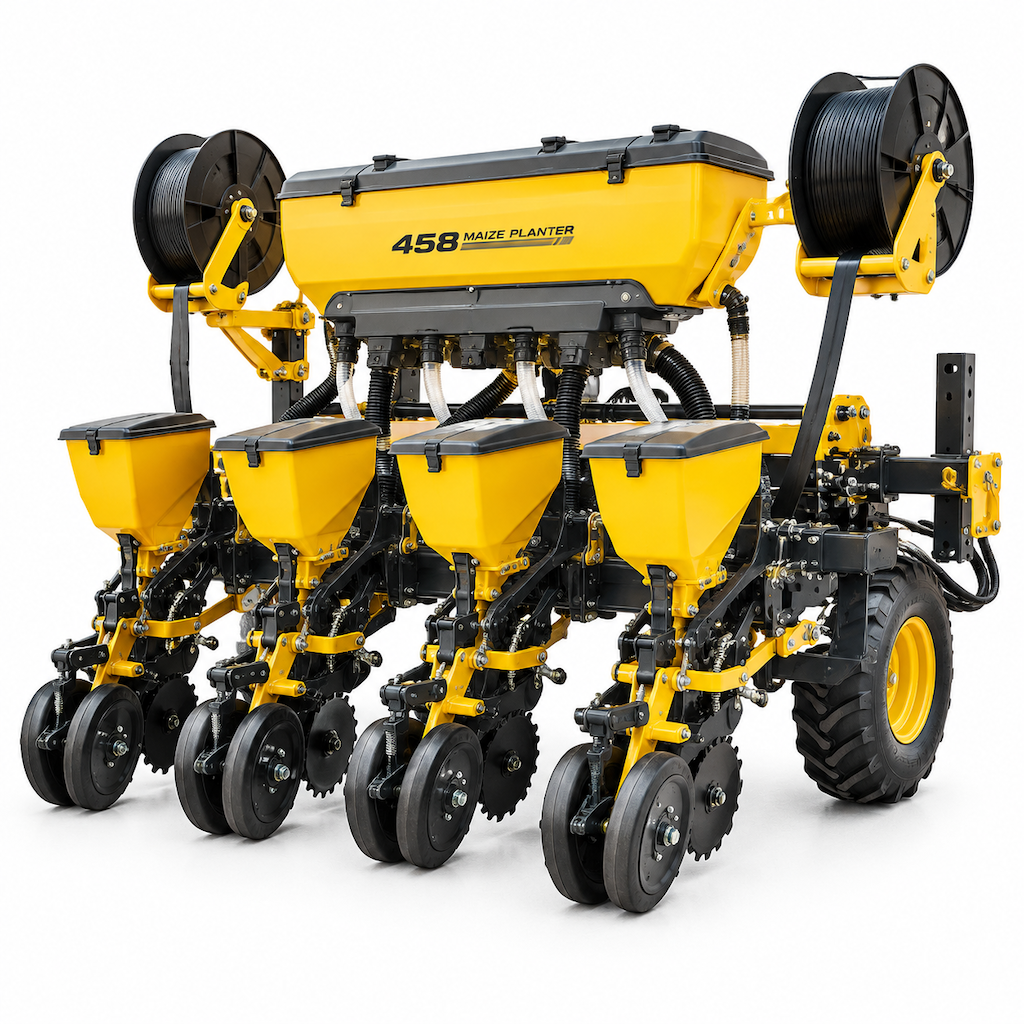
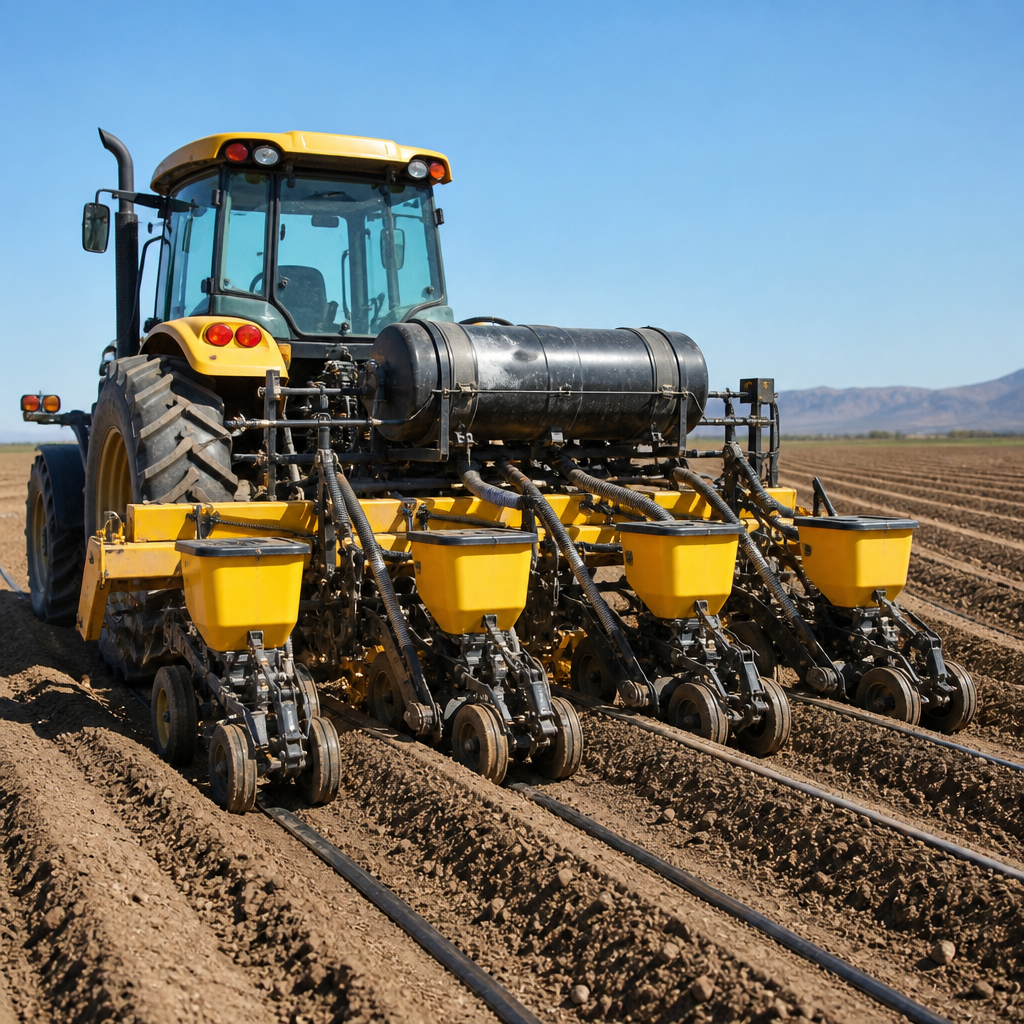
When it comes to modern agricultural practices, a reliable maize planter is crucial for optimizing planting efficiency and crop yield. As a B2B buyer, you may have concerns about sourcing quality equipment that meets your operational needs, aligns with your budget, and adheres to industry standards. This article will help you understand where to source maize planters, the key features to consider, installation guidance, common issues and solutions, and the various applications of maize planters in contemporary farming.

Quality Features to Consider

Quality Features to Consider

When selecting a maize planter, several key features can significantly affect its performance and durability.

Build Quality: Look for planters constructed from high-grade materials such as heavy-duty steel, which resists wear and can withstand harsh operating conditions. A robust frame is essential for maintaining accuracy during planting.

Precision Planting Mechanism: The planting mechanism should ensure seed spacing and depth accuracy. Planters with adjustable seed plate designs can facilitate varying seed sizes and types, enhancing versatility.

Row Spacing Adjustability: Depending on your crop rotation practices, the ability to adjust row spacing can improve field efficiency and crop yield.

Ease of Maintenance: Features like easily accessible components for cleaning and service will reduce downtime and maintenance costs.

Compatibility with Other Equipment: Assess whether the maize planter can be easily integrated with your existing machinery, such as tractors and tillers, to enhance operational efficiency. For instance, you might consider Tractors that work well with maize planters to improve your overall farming efficiency.

By prioritizing these features, you can select a maize planter that not only meets your current needs but also adapts to future operational changes.

Installation Guidance for Optimal Performance of Maize Planters

Installation Guidance for Optimal Performance of Maize Planters

Proper installation of maize planters is critical to achieving optimal performance. Here are essential steps to follow:

Read the Manufacturer's Manual: Always begin by thoroughly reviewing the installation manual provided by the manufacturer. This document will contain vital information about assembly, calibration, and safety protocols.

Site Preparation: Ensure that the land is adequately prepared before installation. This includes clearing any debris and ensuring the soil is at the right moisture level for planting.

Calibration: After assembly, calibrate the planter according to the seed type and size. This step is crucial for ensuring the correct seed depth and spacing, which can significantly impact crop yield.

Test Run: Before full-scale planting, conduct a test run on a small section of land. Monitor the planter's performance and make necessary adjustments to ensure it operates smoothly.

Regular Maintenance Checks: Schedule regular maintenance checks post-installation to keep the planter in optimal working condition. This includes lubricating moving parts and checking seed plates for wear and tear.

By following these guidelines, you can maximize the efficiency and longevity of your maize planter.

Common Problems with Maize Planters and Effective Solutions

Common Problems with Maize Planters and Effective Solutions

Even the best maize planters may encounter issues during operation. Here are some common problems and their solutions:

Seed Clogging: This often occurs when the seed tubes are not adequately cleaned or when using seeds that are too large. Regular cleaning and selecting appropriate seed sizes can help mitigate this issue.

Inaccurate Seed Depth: If the planter is not calibrated correctly, seeds may be planted too deep or too shallow. Regular calibration checks and adjustments based on soil conditions are crucial.

Uneven Planting: This can result from inconsistent soil conditions or poor planter alignment. Regularly check the planter's alignment and make sure the soil is evenly prepared.

Wear and Tear: Components such as seed plates and closing wheels may wear out over time. Implement a routine inspection schedule to identify and replace worn parts before they affect planting efficiency.

By being proactive and addressing these common issues, you can maintain the performance and reliability of your maize planter throughout its lifecycle.

Exploring the Applications of Maize Planters in Modern Farming

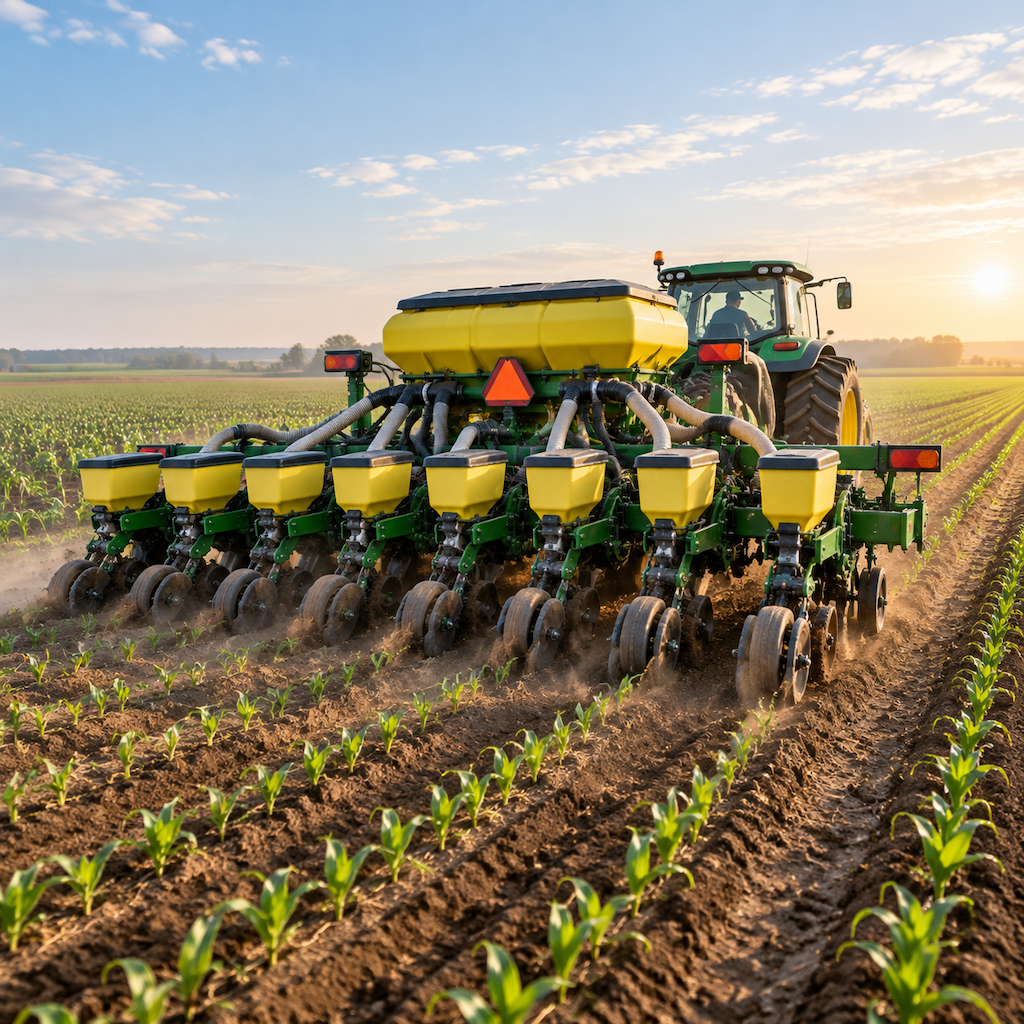
Maize planters are versatile tools that play a vital role in modern farming practices. Their applications extend beyond just planting maize and include:

Crop Rotation: Many maize planters can be adjusted to accommodate different seed types, allowing for effective crop rotation practices that enhance soil health and yield.

Precision Agriculture: With advancements in technology, some modern maize planters are equipped with GPS and data analytics capabilities. This allows farmers to plant with high precision, optimizing seed placement and reducing waste.

Conservation Tillage: Maize planters can be integrated into conservation tillage systems, which minimize soil disturbance. This practice promotes soil health and increases water retention.

Intercropping: The adaptability of maize planters allows farmers to engage in intercropping, where maize is planted alongside other crops. This method can improve biodiversity and soil health while maximizing land use.

By understanding these applications, you can leverage maize planters to enhance your farming practices, ultimately leading to better yields and sustainable agriculture. You may also find Irrigation Systems to be beneficial in conjunction with maize planters for optimal crop growth.

In summary, selecting the right maize planter involves careful consideration of sourcing, quality features, installation practices, troubleshooting common problems, and understanding its diverse applications in modern farming.

Where to Source Reliable Maize Planters for Bulk Orders

Sourcing maize planters for bulk orders requires careful consideration of suppliers who offer quality machinery tailored to meet the demands of your agricultural operations. Look for manufacturers with a proven track record in agricultural machinery, such as Agripros, which has extensive experience supplying equipment across 40 countries. When evaluating potential suppliers, consider their certifications, such as CE and ISO 9001, which indicate adherence to strict quality control standards. Additionally, you might explore Processing Machines as a complementary resource for your agricultural needs.

Additionally, request references or case studies from previous clients to assess the supplier's reliability and product performance. Engaging with suppliers that offer customization options can also be beneficial, ensuring that the maize planters are tailored to your specific requirements, whether for small farms or large plantations. Setting a Minimum Order Quantity (MOQ) is often standard, so clarify this aspect during initial discussions to streamline your procurement process.

Frequently Asked Questions

What are the key features of this maize planter?

Precision seed metering, adjustable row spacing, durable frame, hydraulic folding options, and easy maintenance designed for efficient sowing across various field sizes.
Suitable for small to large farms; supports common row spacings from narrow to wide (single to multi-row models). Custom configurations available per lifecycle-based solutions.
Manufactured under CE and ISO 9001 quality systems to ensure safety, reliability, and consistent performance.
We offer technical support, spare parts supply, and installation guidance. Warranty terms vary by model; contact us for specific coverage and localized service options.
Yes. We provide tailored options for seed types, soil conditions, and terrain; our design team recommends adjustments based on field data and operational needs.

Get a Free Quote

Our representative will contact you soon.
0/1000